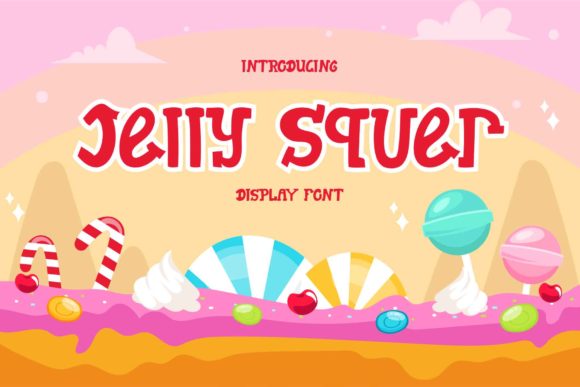
Jelly Squer: The Perfect Font for Playful and Professional Designs
Jelly Squer is a cute and quirky display font that brings a unique charm to any design project. With its soft curves and playful style, it’s an excellent choice for anything from children's books to school materials, branding, and more. Whether you're a designer, educator, or small business owner, understanding how to use Jelly Squer effectively can elevate your work and capture attention in a memorable way.
Why Jelly Squer Stands Out
Jelly Squer stands out due to its distinctive personality. Unlike traditional fonts that aim for neutrality, Jelly Squer embraces whimsy and fun. This makes it particularly well-suited for projects targeting younger audiences or those looking to convey a sense of joy and creativity.
Its versatility allows it to be used in various contexts—from logos and social media posts to educational materials and promotional content. However, like any font, there are common mistakes that can diminish its impact if not approached carefully.
Mistake 1: Overusing Jelly Squer in Professional Settings
While Jelly Squer is perfect for playful designs, using it excessively in professional environments can undermine the intended message. For example, a corporate brochure with too much Jelly Squer might appear unprofessional or childish, which could confuse or turn off potential clients.
Better Approach: Use Jelly Squer sparingly and pair it with a more traditional font for body text. This balance ensures readability while still adding a touch of personality to your design.
Mistake 2: Not Considering Readability
Jelly Squer is a display font, which means it's best suited for headings, titles, or short phrases rather than long blocks of text. Using it for large amounts of body copy can make the text difficult to read and visually overwhelming.
Example: A children's book with all text in Jelly Squer may be fun on the cover but challenging for young readers to follow in the main content.
Better Approach: Reserve Jelly Squer for headlines or accents. Keep body text in a clean, legible font to maintain clarity and ensure the message is communicated effectively.
Mistake 3: Ignoring Font Pairing Principles
Fonts work best when they complement each other. Pairing Jelly Squer with another font that has a contrasting style—such as a sans-serif or serif typeface—can create a balanced and visually appealing layout.
Example: Using Jelly Squer for a title and a modern sans-serif font for body text creates a cohesive yet dynamic look that's both engaging and easy to read.
Better Approach: Experiment with different font combinations to find one that works well together. Tools like Google Fonts or Adobe Fonts can help you explore compatible pairings easily.
What to Check Before Using Jelly Squer
Before incorporating Jelly Squer into your design, there are several factors to consider to ensure the best results:
- Licensing: Make sure you understand the terms of use for Jelly Squer. Some fonts require attribution or have restrictions on commercial use.
- Compatibility: Test the font across different platforms and devices to ensure it displays correctly everywhere.
- Legibility: Always check how the font appears at various sizes and in different color schemes. What looks great in a large headline may not be as readable in smaller text.
By taking these steps, you can avoid potential issues and ensure that your design looks polished and professional.
Mistake 4: Assuming All Display Fonts Are the Same
Not all display fonts are created equal. While Jelly Squer is designed for playfulness, other display fonts may have very different characteristics—some may be more formal, some more decorative, and others more difficult to read.
Better Approach: Research and compare different display fonts before making a decision. Look for reviews, examples, and user feedback to determine which font best fits your needs.
Real-World Applications of Jelly Squer
Jelly Squer can be used in a variety of creative ways. Here are a few practical examples:
- Children's Products: Use Jelly Squer for labels, packaging, or educational materials to engage young children with its fun and friendly appearance.
- School Projects: Incorporate Jelly Squer into posters, presentations, or classroom decorations to add a vibrant and welcoming atmosphere.
- Branding: Create eye-catching logos or marketing materials that stand out with the playful nature of Jelly Squer.
These applications show how versatile Jelly Squer can be when used thoughtfully and appropriately.
Mistake 5: Downloading Without Checking Reviews
Many designers rush to download a font without checking reviews or testimonials. This can lead to unexpected issues, such as poor quality, limited character support, or compatibility problems.
Better Approach: Always read reviews and check the font’s specifications before downloading. Websites like Font Squirrel or DaFont often provide user ratings and comments that can help you make an informed decision.
Conclusion
Jelly Squer is a fantastic font that can bring a unique flair to your designs. By avoiding common mistakes and considering key factors like readability, pairing, and licensing, you can ensure that your use of Jelly Squer is both effective and professional. Whether you're creating something for children, schools, or your brand, the right approach will help you achieve the best possible results.