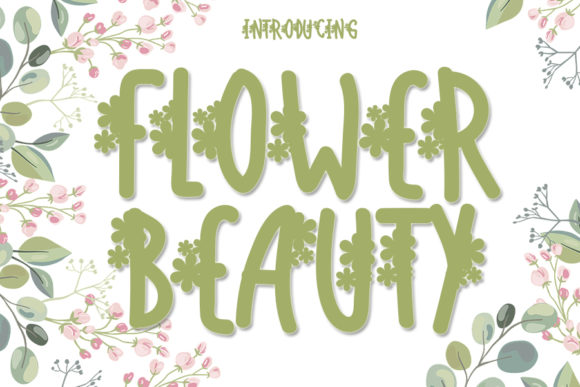
Flower Beauty: A Playful Font for Creative and Professional Workflows
Flower Beauty is a display font that brings a sense of joy, neatness, and visual appeal to any design project. With its cute and playful style, it's an excellent choice for those looking to add a touch of whimsy without sacrificing clarity or professionalism. Whether you're designing marketing materials, creating digital content, or personalizing branding elements, Flower Beauty offers a versatile solution that can enhance the overall aesthetic of your work.
Understanding Flower Beauty and Its Role in Design
Flower Beauty stands out due to its unique combination of soft curves and clean lines, which makes it both approachable and elegant. This font is particularly well-suited for headings, logos, social media posts, and other visual elements where a friendly yet polished look is desired. It fits seamlessly into a variety of creative workflows, from graphic design to web development, making it a valuable asset in the designer’s toolkit.
When considering how to integrate Flower Beauty into your workflow, it's important to think about the context in which it will be used. For example, using this font for website headers can create a welcoming atmosphere, while applying it to email signatures might give a more personal touch to professional communication.
Practical Use Cases for Flower Beauty
- Marketing Materials: Incorporate Flower Beauty in promotional flyers, banners, or posters to catch attention with its cheerful appearance.
- Social Media Content: Use it for captions, hashtags, or text overlays on images to add a fun and engaging vibe.
- Branding Elements: Apply it to logos, business cards, or packaging designs to create a cohesive and memorable brand identity.
- Website Design: Feature it in headlines, call-to-action buttons, or navigation menus to improve user experience and visual appeal.
Integrating Flower Beauty Into Your Workflow
Incorporating Flower Beauty into your workflow requires careful consideration of its compatibility with other tools and resources. Before beginning a project, ensure that the font is available in the necessary formats (such as .ttf or .otf) and that it works well with your design software. Many graphic design platforms like Adobe Photoshop, Illustrator, or Canva support custom fonts, allowing you to experiment freely with different styles and layouts.
During the design process, use Flower Beauty strategically. For instance, pair it with a sans-serif font for body text to maintain readability while still incorporating the playful nature of Flower Beauty in key areas. This balance ensures that your design remains both visually appealing and functional.
After completing a project, review how effectively Flower Beauty was used. Ask yourself whether it enhanced the message or distracted from it. If needed, adjust the font size, spacing, or color to better align with the overall design goals.
Tips for Effective Implementation
- Test Across Devices: Ensure that Flower Beauty displays correctly on various screen sizes and resolutions to maintain consistency across platforms.
- Limit Usage: Avoid overusing Flower Beauty in a single design; reserve it for headings or highlights to keep the layout clean and focused.
- Match with Appropriate Colors: Choose colors that complement the font’s style. Soft pastels or vibrant hues can enhance the playful feel, depending on the context.
- Check Licensing: Confirm that you have the right to use Flower Beauty for commercial purposes if needed, especially when working on client projects or selling digital products.
Compatibility and Long-Term Use
One of the advantages of Flower Beauty is its compatibility with a wide range of design tools and platforms. As long as your software supports custom fonts, you should have no trouble using it in your projects. However, it's always wise to back up your font files and keep them organized in a dedicated folder for easy access.
For long-term use, consider building a library of preferred fonts, including Flower Beauty, so you can quickly reference them during new projects. This practice not only improves efficiency but also helps maintain a consistent visual language across all your work.
Additionally, stay updated with any changes or updates to the font itself. Some designers may release new versions or variations, which could offer additional features or improvements. Keeping your fonts current ensures that you’re always working with the best possible tools.
Workflow Integration Examples
Let’s explore how Flower Beauty can be integrated into specific workflows:
- Graphic Design Projects: Start by sketching out your layout and deciding where to place the font. Use it for titles or main headings, then refine the design by adjusting spacing and alignment.
- Web Development: When designing a website, include Flower Beauty in your CSS stylesheet. Test how it looks on different browsers and devices before launching the site.
- Print Materials: When preparing print documents, check the font’s resolution and ensure it prints clearly. Avoid using too many decorative fonts in printed materials to prevent clutter.
Conclusion
Flower Beauty is more than just a cute and playful display font—it's a practical tool that can elevate the visual quality of your projects. By understanding its role in the broader design process and integrating it thoughtfully into your workflow, you can achieve professional results that stand out. Whether you're a marketer, educator, entrepreneur, or hobbyist, Flower Beauty offers a versatile and enjoyable way to bring creativity to your work.