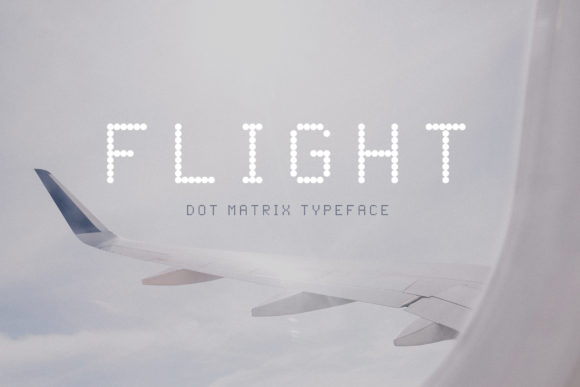
Flight Font for Modern Design Needs
Flight is a unique display font that stands out with its grid-based dot letterforms, offering a fresh and modern aesthetic. Designed for versatility, it finds its place in editorial design, branding, gaming, web development, and more. Whether you're crafting a logo or designing a billboard, Flight brings a distinctive visual identity to your projects.
What Is Flight?
Flight is a display font where each letter is constructed from tiny, evenly spaced dots arranged on a grid. This creates a pixelated yet elegant look that feels both nostalgic and futuristic. It's not just a font—it's a visual statement that can add character and personality to any design project.
The font’s structure makes it highly readable at larger sizes, which is ideal for headlines, posters, and digital banners. Its minimalistic approach also allows it to blend seamlessly into modern UI/UX designs without overwhelming the content.
Why Different Audiences Care About Flight
While Flight may seem like a niche font, its unique qualities make it appealing to a wide range of professionals and hobbyists. The way people perceive and use Flight depends on their background, goals, and creative needs.
Designers and Creatives
For graphic designers and creative professionals, Flight offers a new tool for differentiation. Its grid-based style can be used to create retro-futuristic themes, tech-inspired visuals, or even abstract art pieces. Designers might use it in poster design, branding materials, or as part of a website’s header to draw attention.
Beginners might find Flight challenging due to its unconventional structure, but experienced designers can leverage it to craft something truly original. Its uniqueness makes it a great choice for stand-out projects that aim to capture attention quickly.
Web Developers and Software Creators
Web developers and software creators often need fonts that are both visually appealing and technically sound. Flight’s clean, scalable structure makes it suitable for use in web interfaces, mobile apps, and game titles. It can be used in buttons, headers, or as part of a loading screen to give a subtle but memorable touch.
Developers who prioritize performance may appreciate Flight’s efficiency in rendering, especially when used in high-traffic environments. Its grid-based nature ensures consistent appearance across different devices and resolutions.
Marketers and Brand Owners
Marketers and small business owners looking to build a strong brand identity may find Flight useful for creating logos, social media posts, or promotional material. Its distinctiveness helps brands stand out in a crowded market, especially when targeting younger, tech-savvy audiences.
Entrepreneurs who value cost-effectiveness might prefer free versions of Flight if available, while those focused on long-term brand recognition could invest in premium licenses for broader usage rights.
Bloggers and Content Creators
Bloggers and content creators can use Flight to enhance the visual appeal of their articles, headings, or social media captions. Its unique style adds a creative flair that can help content stand out in a sea of similar posts.
For bloggers aiming to build an audience around niche topics, using Flight can become a signature element of their brand. It’s particularly effective when paired with minimalist layouts or photography-focused content.
Educators and Students
Educators teaching typography or design courses may use Flight as a case study to demonstrate how unconventional fonts can be used effectively. Students learning about typeface construction might find it interesting to analyze how a font built from dots functions in real-world applications.
Students working on creative projects or portfolios might experiment with Flight to showcase their ability to work with non-traditional fonts. It can be a fun and challenging exercise in understanding contrast, spacing, and readability.
Practical Examples for Different Users
Here are some practical examples of how different users might apply Flight in their work:
- Graphic Designer: Use Flight in a magazine cover to create a bold, eye-catching headline that reflects the theme of technology or innovation.
- Web Developer: Implement Flight in a mobile app’s splash screen to convey a sense of modernity and clarity.
- Small Business Owner: Incorporate Flight into a logo or packaging design to give a fresh, contemporary feel to their brand.
- Content Creator: Apply Flight to blog post titles or Instagram captions to add a stylish, edgy look to their content.
- Student: Experiment with Flight in a school project to explore how unconventional typography can influence perception and engagement.
Considerations When Choosing Flight
Before choosing Flight, consider your specific needs and how well they align with the font’s characteristics. If you're looking for a versatile, easy-to-read font for body text, Flight may not be the best option. However, if you need something that stands out for headlines or digital interfaces, it could be perfect.
Also think about licensing requirements, especially if you're planning to use Flight in commercial projects. Always ensure you have the right to use the font in the context you intend.
Finally, evaluate how Flight fits within your overall design language. While it's unique, it should complement—not overshadow—your message or brand identity.